
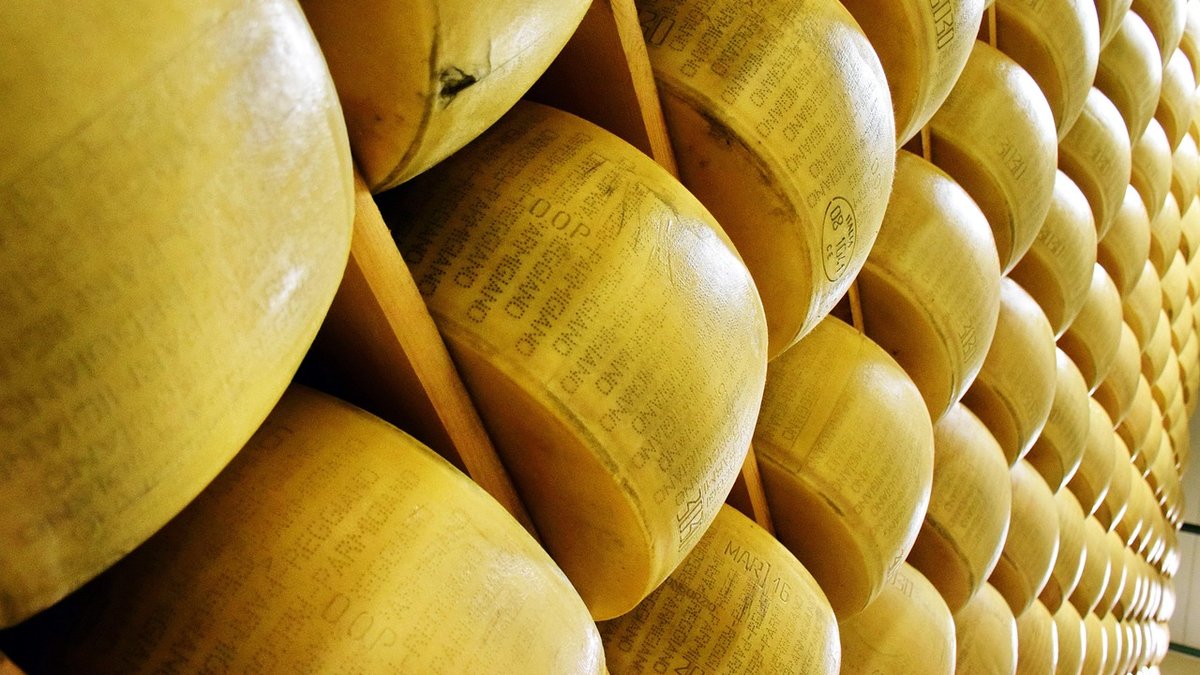
Ask an Italian friend what they are doing at half six and the answer is rarely complicated: a drink, something small to eat, and a proper conversation. Aperitivo sits in the gentle gap between the end of work and the start of dinner, usually somewhere between six and eight in the evening, and it lasts about an hour. It is not a party, and it is very much not dinner. That distinction is exactly what makes it so easy to recreate at home — and so easy to ruin by over-catering.
The word comes from aprire, to open. The drinks are deliberately bitter and dry, chosen to wake up the appetite rather than dull it, and the food is salty, oily and unfussy. Get the balance right and you have one of the most civilised ways to spend an hour with someone you love, or with four friends crowded around a kitchen counter.
You do not need a full bar. For a couple of hours with four to six people, three bottles will do the work of a dozen. Choose one sparkling, one bitter and one alcohol-free, and serve everything very cold.
For a spritz, work to three parts sparkling, two parts bitter, one part soda, built in a large wine glass over plenty of ice. Stir once, add a slice of orange or — a Venetian habit worth stealing — a single green olive. Chill the glasses in the freezer for ten minutes beforehand; it makes an ordinary bottle taste like a holiday.
Aperitivo food follows a simple logic: salty, fatty, crunchy, pickled. Four or five small things on one board always beat twelve things on three boards. For six people, this is plenty:
If you want one warm thing, fry small squares of polenta or make a quick flatbread in a hot pan. Nothing else needs a hob.
The Italian aperitivo is a standing ritual, and standing changes the mood entirely. Push the paperwork and the laptop to one side, clear one surface, and put everything within arm's reach so nobody has to keep getting up. Light one lamp rather than the overhead, open a window if it is warm, and put on something slow and unobtrusive.
Timing matters more than the menu. Pour the first drink, then wait fifteen minutes before bringing out the food. This stops everyone filling up on bread before the point of the exercise, which is arriving at dinner genuinely hungry. When the food is gone, the hour is over — move to the table, or go out.
The best aperitivo shopping happens on holiday, and it weighs almost nothing. In any Italian town you will find tins of olives, bags of taralli, jars of peppers in oil, and bottles of vermouth that never make it to British shelves. Buy one thing each trip and build a small shelf of it. A bottle of vermouth from a market in Verona, opened on a wet Tuesday in February, does more for a relationship than most restaurant meals.
If you are travelling as a couple, make a note of what you drank and where. Half the pleasure of recreating the ritual at home is disagreeing, fondly, about which bar did it best.
Hosting is simply the same spread, scaled. One drink per person, then stop — aperitivo is not a session. Put everything out before people arrive so you are not stuck in the kitchen, and let guests make their own drinks from a tray of ice, glasses and bottles. If you are moving on to dinner, keep the food deliberately light. If you are not, add a bowl of pasta at eight o'clock and call it an evening.
The whole thing should take you twenty minutes to prepare and cost less than a round in a bar. That, in the end, is the art of it: a little effort, very good ingredients, and the good sense to stop while everyone is still enjoying themselves.

Hi, my name is Anthony kuber. I am artist and fashion designer.
I love to travel and writing blogging.
Your email address will not be published. Required fields are marked *
Software Developer & Writer
Hey, I'm Diva, a developer and writer blending code and creativity. I'm driven by a deep curiosity and a relentless pursuit of excellence. Join me as I craft digital solutions and captivating stories.


