
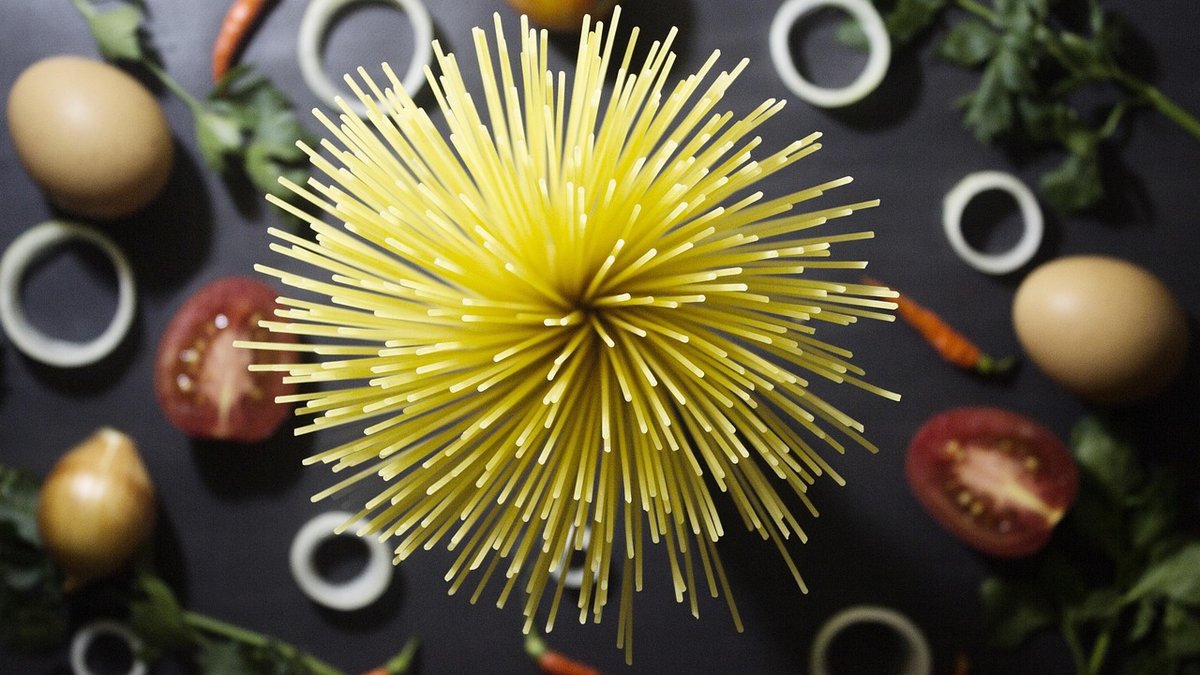
There are few things more generous than a pot of ragù bubbling away on a grey Saturday afternoon. It is the sort of dish that asks you to stay home, open a bottle, and let the afternoon drift. For couples, it is ideal: one of you can chop, the other can pour, and the kitchen fills with a smell that makes even a rainy British weekend feel like a small holiday.
This is not a weeknight sauce. It is a slow-cooked ragù inspired by the kitchens of Emilia-Romagna, where beef and pork are coaxed into something rich, glossy, and deeply savoury. The method is simple, but it rewards patience. Start it after breakfast, forget about it for a few hours, and by supper you will have something worth gathering around.
Soffritto is the foundation of the whole pot, so treat it with respect. You are not browning the vegetables; you are sweetening them. Keep the heat low, stir often, and let them soften until they almost melt into the oil.
Warm the oil and butter in a heavy casserole over a medium-low heat. Add the vegetables with a good pinch of salt and cook for 15 to 20 minutes, stirring now and then. If you have a partner who claims not to cook, this is the job for them: slow, repetitive, and quietly satisfying. A splash of water if anything threatens to catch.
Good ragù needs both beef and pork. Beef gives depth, pork gives sweetness and a softer texture. Ask your butcher for chuck and shoulder, and have them minced coarsely or cut into small cubes. You want pieces that will collapse after a few hours, not a fine paste.
Push the soffritto to the edge of the pan and add a little more oil. Brown the meat in batches over a high heat. Do not crowd the pan, and do not stir too often. You want a deep crust, not steam. Season each batch as it goes. Return all the meat to the pot, pour in the wine, and let it bubble hard for 2 to 3 minutes. Scrape the bottom as it reduces. The wine should smell sharp, then mellow into something round and savoury.
Now the pot does the work. Add the tomatoes, stock, milk, bay leaves, and a fresh grating of nutmeg. The milk is a traditional trick: it tenderises the meat and takes the edge off the acidity. Stir once, bring to a very gentle simmer, then cover with the lid slightly ajar.
Cook for 3 to 4 hours on the lowest heat your hob can manage. Stir every 30 minutes or so, and check that nothing is sticking. If it looks dry, add a splash of stock or water. If it looks watery at the end, remove the lid and reduce for 20 minutes. The ragù is ready when the fat has separated slightly and the sauce coats the back of a spoon. Taste and adjust with salt and black pepper.
The wine you cook with should be the wine you drink, more or less. Keep it simple and Italian. A young Sangiovese has the right acidity to cut through the richness. A Langhe Nebbiolo brings perfume and structure. An Etna Rosso, made from Nerello Mascalese, is lighter and smoky, and works beautifully if you want something less heavy.
If you and your partner ever find yourselves driving through Tuscany or Umbria, book a long lunch in a hill town and order the local ragù. It will taste different because of the air, the view, and the fact that neither of you is doing the washing up. Until then, a good independent wine merchant can point you towards something honest and unfussy.
Ragù is not a dish to rush. Warm your bowls, put a record on, and let the evening stretch out. Tagliatelle is the classic partner, but pappardelle, rigatoni, or even soft polenta will do nicely. Cook the pasta until just al dente, then toss it in the pan with a ladle of ragù and a splash of pasta water. The sauce should cling, not drown.
A crisp green salad with lemon and olive oil is all you need on the side. For pudding, keep it simple: a piece of dark chocolate, a few amaretti, or a spoonful of lemon sorbet. And if the ragù tastes even better the next day, as it always does, you have the perfect excuse for a second slow weekend together.

Hi, my name is Anthony kuber. I am artist and fashion designer.
I love to travel and writing blogging.
Your email address will not be published. Required fields are marked *
Software Developer & Writer
Hey, I'm Diva, a developer and writer blending code and creativity. I'm driven by a deep curiosity and a relentless pursuit of excellence. Join me as I craft digital solutions and captivating stories.


