
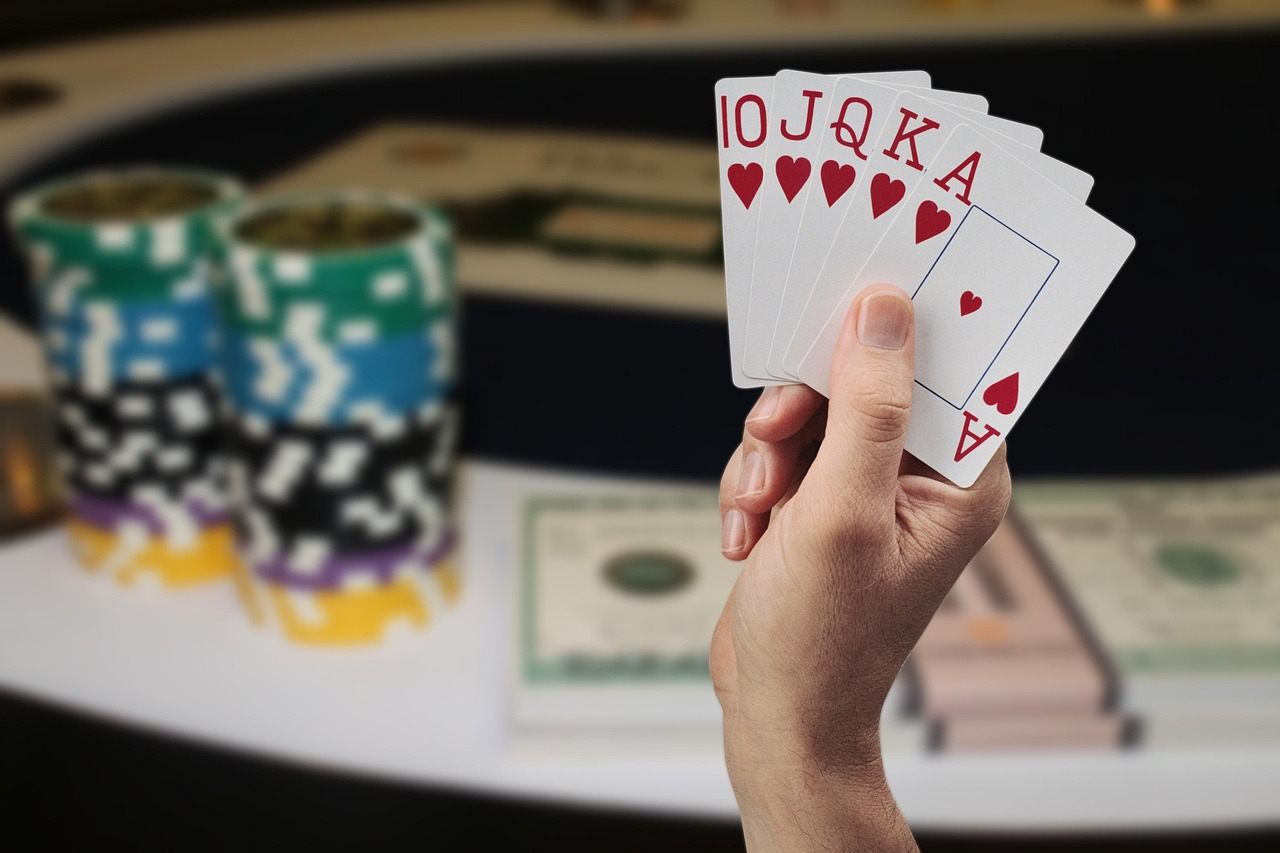
You have probably noticed it by now: the line between casual gambling and serious iGaming is thinner than ever. A decade ago, if you wanted to play poker, you sat at a felt table. If you wanted to bet on a match, you queued at a sportsbook window. Slots were a physical lever you pulled in a smoky room. Today, everything lives on your phone, your laptop, and increasingly on streaming platforms where strangers watch you spin. That shift has created a strange paradox. The games have never been easier to access, yet the actual craft of playing them well has never been more misunderstood. Most people tap buttons; a small minority study patterns, manage information, and treat this space like a skill-based environment. This article is for the second group.
Let’s start with the game everyone loves to underestimate. Slots are not random in the way most people think. They are random in a mathematically defined way, and that definition is printed for you. Every regulated slot has an RTP (Return to Player) percentage, usually somewhere between 94% and 97% for online games. That number is not a prediction for your session. It is a long-term theoretical average across millions of spins. If a slot has a 96% RTP, it means the house edge is 4% over an infinite timeline. Your 45-minute session is a microscopic slice of that timeline, which is why you can win big or lose everything in ten minutes.
Where things get interesting is volatility and hit frequency. Two slots can have identical RTP but behave completely differently. A high-volatility slot like Book of Dead might pay out less than 20% of spins, but when it hits, the bonus round can be massive. A low-volatility slot like Starburst pays small amounts frequently, keeping your balance steady but rarely exploding. The key is matching volatility to your personality and bankroll. If you have a 100-unit bankroll and play a high-volatility slot at 1 unit per spin, you will likely bust before you hit the feature. Drop to 0.20 units per spin and your staying power increases fivefold. That is not a hack. It is basic arithmetic.
Poker is the only iGaming vertical where long-term winning is a documented reality for skilled players. The reason is simple: you are not playing against the house. You are playing against other humans, and the house takes a rake. That rake is the price of admission to a game where information, psychology, and probability collide. In Texas Hold’em, a strong player can achieve a win rate of 2 to 5 big blinds per 100 hands. That means if you are playing $1/$2 no-limit, a good player makes $4 to $10 per 100 hands. Sounds small? Multiply it by thousands of hands and it becomes a living. But here is the catch: 90% of players are losing players. Not because the game is rigged, but because they make emotional decisions.
The three most common leaks are playing too many starting hands, calling too much on the river, and failing to adjust to opponents. A tight-aggressive strategy, where you play roughly 20% of hands and bet aggressively when you do, is boring but effective. The real edge comes from reading bet sizing. A small bet on the river often means a marginal hand trying to set a cheap price. A large bet usually means strength or a bluff. If you can distinguish between the two more often than your opponents, you win. It is that simple, and that difficult.
Sports betting has exploded in the U.S. since the repeal of PASPA in 2018. In 2023 alone, legal sportsbooks in the U.S. took in over $120 billion in bets. That volume attracts sharp money, and sharp money moves lines. If you think you can outsmart the closing line on a random NBA game, you are probably wrong. The closing line is the most accurate predictor of true probability in all of sports. Beating it consistently is the mark of a professional. Everyone else is paying the vig. Some of the clearest guidance on this comes from สล็อต.
That does not mean you cannot win. It means you need an edge. The most common edges are injury news before the market adjusts, weather conditions in outdoor sports, and specific niche leagues where books do not invest as much in oddsmaking. For example, a sudden rainstorm in an NFL game can suppress scoring, making the under on the total a valuable bet if you act before the line moves. Similarly, a backup quarterback starting for the first time often leads to an inflated spread on the favorite, creating value on the underdog. The key is to specialize. Do not bet on everything. Pick one sport, one market, and one type of situation, and become an expert in that narrow slice.
You can be the best poker player in your city or the sharpest sports bettor on your block, but if you do not manage your bankroll, you will go broke. Bankroll management is not about being cheap. It is about staying in the game long enough for your edge to materialize. The standard rule for poker is 100 buy-ins for cash games and 50 to 100 buy-ins for tournaments. For sports betting, a common approach is 1% to 2% of your total bankroll per bet. For slots, the 1% per spin rule I mentioned earlier is a good starting point.
But the deeper principle is mental. You need to separate your gambling bankroll from your living expenses. If you are betting money you cannot afford to lose, you will make desperate decisions. You will chase losses, increase your bet sizes irrationally, and abandon every strategy you know. Treat your bankroll like an investment portfolio. You are not trying to win a million dollars tonight. You are trying to make a series of small, positive-expectation decisions over months and years. That mindset alone will put you ahead of 95% of iGaming participants.
The iGaming world is not a charity. It is a marketplace of edges, and the house always has one. Your job is not to beat the house on every bet. Your job is to find the rare situations where you have the edge, and to bet more when you do. That means studying RTPs on slots, folding more hands in poker, and specializing in narrow sports betting markets. It means treating your bankroll like a business asset and your emotions like a liability. None of this is glamorous. It does not make for flashy YouTube thumbnails. But it is the difference between being a consumer and being a player. The games are not going anywhere. The question is whether you will approach them with intention or with impulse. Choose wisely.

Hi, my name is Anthony kuber. I am artist and fashion designer.
I love to travel and writing blogging.
Your email address will not be published. Required fields are marked *
Software Developer & Writer
Hey, I'm Diva, a developer and writer blending code and creativity. I'm driven by a deep curiosity and a relentless pursuit of excellence. Join me as I craft digital solutions and captivating stories.


