
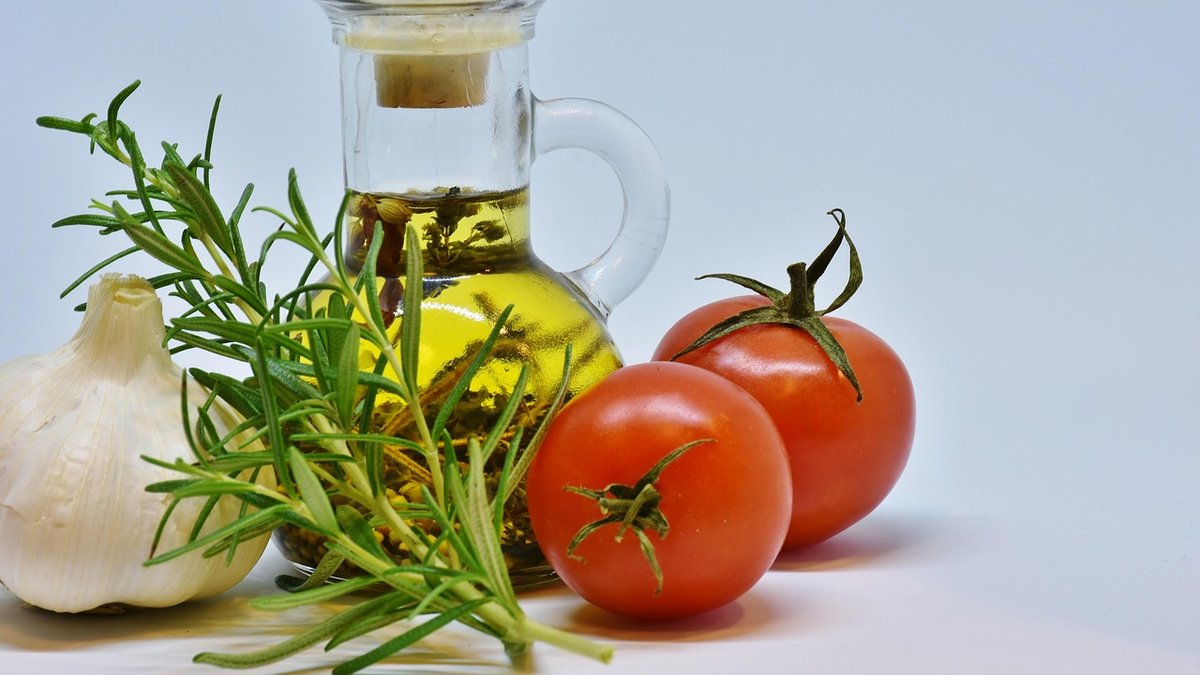
Bologna has a nickname problem. Everyone calls it la grassa — the fat one — and then tries to prove it in 48 hours by eating through a checklist of tagliatelle, tortellini, mortadella and ragù before collapsing onto the last train home. That is not the way.
The city is compact, flat and almost entirely walkable under its 38 kilometres of porticoes, which means you can plan a weekend around three good meals a day and still see plenty on the way between them. For couples, it is close to ideal: small enough to wander without a map, generous enough that sharing plates feels like a sensible strategy rather than a compromise, and civilised enough that nobody looks at you oddly for ordering a glass of wine at eleven in the morning.
Late April to June and September to October are the sweet spots. Book any trattoria you have your heart set on at least a fortnight ahead — rooms are small and many places run two sittings.
The airport is a short shuttle ride from the centre, and most of the good hotels sit between the station and Piazza Maggiore. Once you are checked in, resist the urge to sightsee. Aperitivo runs roughly from 6.30pm to 8pm, and it is the loveliest introduction to the city.
Order a spritz or a glass of chilled Pignoletto, and expect a small plate of something salty to arrive unbidden: cubes of Parmigiano, olives, a scrap of crescente flatbread. Standing at the bar costs less than sitting at a table, and nobody will hurry you either way. Afterwards, keep dinner deliberately light — a single bowl of tagliatelle al ragù, ideally. Note that in Bologna the ragù is a slow, wine-dark meat sauce with very little tomato, and it is served with egg tagliatelle, never spaghetti. Then walk down Via dell'Indipendenza as the lights come on across Piazza Maggiore.
Wake early and head for the Quadrilatero, the tight grid of lanes just east of the main square. This is the city's historic food quarter, and by nine o'clock it is all sharp elbows, bicycles and crates of produce. The covered market in the middle of it is good for a browse; the slightly less polished produce market a short walk west is better for actual shopping.
Come with a plan, because panic-buying is real. A sensible haul for two:
Learn the phrase un etto (100 grams) and you will be served with approval rather than patience.
This is the main event of the weekend, so give it three hours and no fixed plan for afterwards. Start with tortellini in brodo — a clear, deeply savoury capon or beef broth with a handful of tiny stuffed pasta, which is the dish that best explains the city to a stranger. Follow with tagliatelle al ragù, or cotoletta alla bolognese, a breaded cutlet topped with prosciutto and cheese.
For wine, ask for a carafe of Sangiovese di Romagna, or Lambrusco — the dry, gently frizzante sort drunk locally, not the sweet pink export version. Finish with a coffee taken standing at the bar, because sitting down doubles the price and the pleasure not at all. Then go and lie down. Genuinely.
Once you have rallied, walk a stretch of the portico that climbs towards the hilltop sanctuary of San Luca. You do not need to do all 666 arches; the first twenty minutes give you the view, the shade and the photographs, and you can turn back without shame.
If you would rather cook than walk, several small kitchens in the centre run half-day pasta classes. The useful thing you will learn is not the recipe but the feel of the dough — rolled thin enough that you can see the shadow of your hand through it. Book ahead, and choose a class capped at eight or ten people.
Dinner should be modest: a platter of crescentine with squacquerone and cured meats, plus whatever you bought that morning.
Breakfast in Bologna is a cappuccino and a warm pastry, taken standing, and it costs about the same as a bus fare. Then choose one thing: the leafy park south of the centre, or a slow loop through the hills by bus for a last long lunch with a view.
Before you leave, spend twenty minutes restocking for your own kitchen. Dried pasta, a jar of ragù base, a bottle of Sangiovese and a chunk of cheese will do more for a Tuesday night at home than any souvenir. Sealed cheese and cured meats for personal use are generally fine to bring back to the UK, but check the current rules before you fly.
And when you cook it all at home, remember the Bologna approach: few ingredients, cooked slowly, and never in a rush. That, more than any recipe, is what makes the weekend worth repeating.

Hi, my name is Anthony kuber. I am artist and fashion designer.
I love to travel and writing blogging.
Your email address will not be published. Required fields are marked *
Software Developer & Writer
Hey, I'm Diva, a developer and writer blending code and creativity. I'm driven by a deep curiosity and a relentless pursuit of excellence. Join me as I craft digital solutions and captivating stories.


